
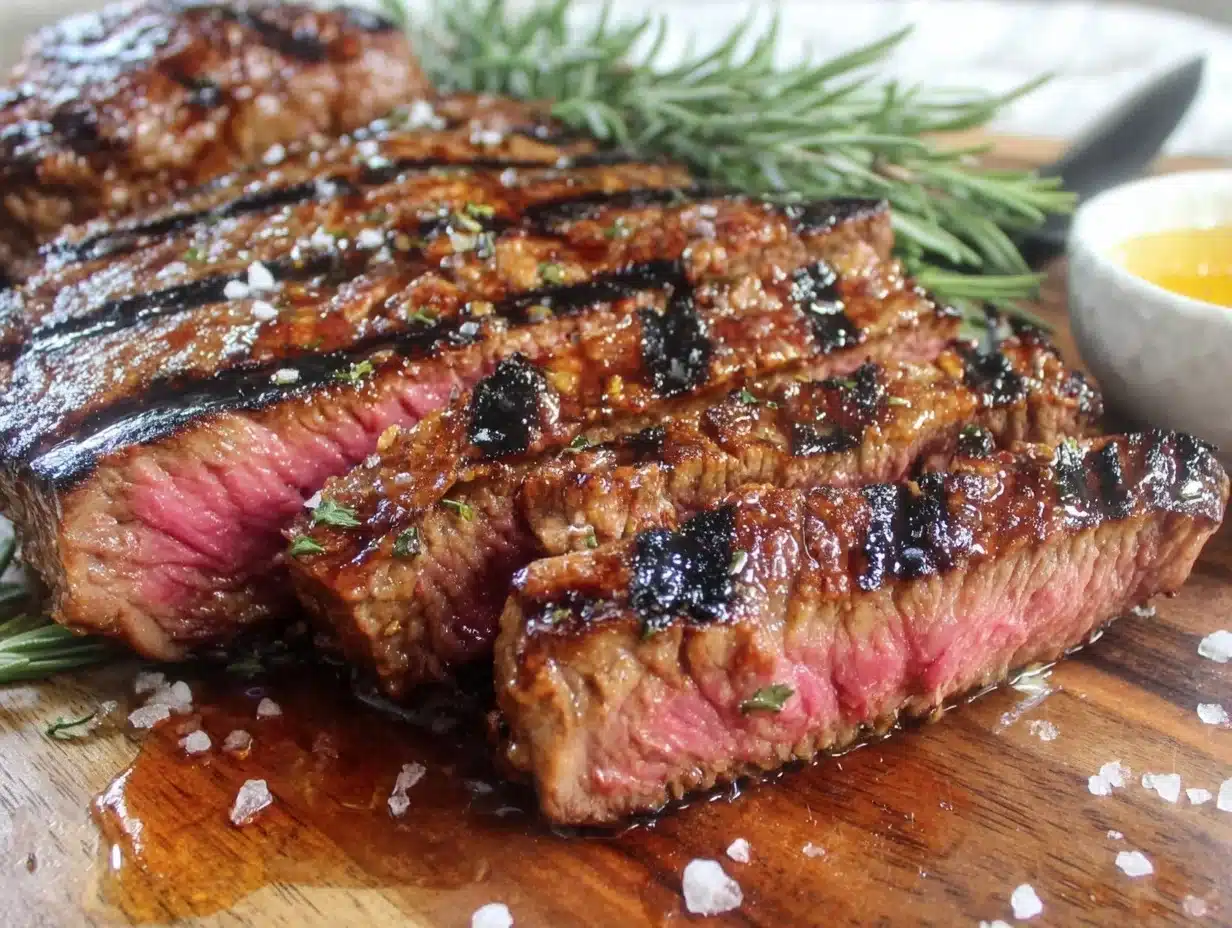
“You know that moment when you’re watching a movie, and the main character pulls out a steak that looks so good it almost speaks to you? Well, I had a similar moment last fall when my friend Tom—who’s usually all about quick weeknight meals—decided to try this reverse sear method for steak. I wasn’t expecting much; honestly, I thought it was just a fancy way to say ‘slow cook and then fry.’ But as he sliced into that perfectly crusted, juicy steak, the kind that makes you close your eyes and savor every bite, I knew I had to figure out how to make it myself.
It wasn’t all smooth sailing at first. I forgot to preheat the cast iron pan once, and the crust didn’t quite develop right. (You can imagine the slightly sad sizzle.) But after a couple of tries—plus a little advice from my local butcher and a few tweaks—the reverse sear steak recipe became my go-to for special dinners and when I just want to treat myself. Maybe you’ve been there too, craving that steakhouse quality but stuck with a pan and oven at home.
Let me tell you, this method isn’t just a cooking hack; it’s a game changer. The slow, gentle heat cooks the steak evenly, and the final sear locks in those juices with a crisp, flavorful crust. I keep coming back to this recipe because it’s reliable, straightforward, and the results honestly taste like you spent hours fussing over it—even if you didn’t. If you’ve ever struggled with unevenly cooked steaks or dried-out edges, this is for you.
Why You’ll Love This Recipe
After testing countless steaks in my kitchen, this perfect reverse sear steak method stands out for several reasons. Here’s why you’ll probably find yourself making it again and again:
- Quick & Easy: The hands-on time is minimal; it cooks low and slow in the oven, then sears in minutes. Perfect for busy weeknights or last-minute dinner plans.
- Simple Ingredients: Just steak, salt, pepper, and a little oil. No complicated marinades or special sauces needed.
- Perfect for Impressing: Whether it’s a date night or a casual gathering, this recipe delivers restaurant-quality steak that wows without the stress.
- Crowd-Pleaser: Even my picky eater friends ask for seconds. The texture is tender, juicy, and the crust adds that crave-worthy bite.
- Unbelievably Delicious: The slow oven cook ensures even doneness edge to edge, while the final sear creates a caramelized crust that’s full of flavor.
What really makes this recipe different is the control it gives you over the steak’s doneness and texture. Unlike traditional methods where the outside can overcook before the inside reaches your preferred temperature, the reverse sear lets you take it slow and finish with a hot, quick sear. Plus, it’s forgiving—so if you’re a bit rushed or distracted (hello, phone calls mid-cooking), you still get great results.
Honestly, every time I make this, I feel a little chef-y. There’s just something satisfying about that perfect crust and juicy interior combo. It’s comfort food that feels special, without the fuss.
What Ingredients You Will Need
This recipe uses simple, wholesome ingredients that work together to bring out the best in your steak. You likely have most of these in your kitchen already, making it easy to whip up whenever the craving hits.
- Steak: 1 thick-cut ribeye, strip, or filet mignon (1.5 to 2 inches thick; about 12-16 oz / 340-450 g). Thicker cuts work best for even cooking.
- Salt: Kosher salt or sea salt (for seasoning and drawing out moisture to enhance crust formation).
- Black Pepper: Freshly ground (adds a punch of flavor in the final sear).
- Neutral Oil: Canola, grapeseed, or avocado oil (high smoke point for searing).
- Optional Butter: 1-2 tablespoons unsalted butter (for basting during sear to add richness).
- Optional Fresh Herbs: A sprig of thyme or rosemary (to infuse aroma during sear).
Ingredient Tips: When selecting your steak, I recommend checking your local butcher for well-marbled cuts—this fat renders beautifully, keeping the meat tender. For salt, I like Diamond Crystal kosher salt because it dissolves nicely and seasons evenly. If you want to experiment, swapping butter with ghee works great, especially if you want a dairy-free option.
Seasoning is simple but crucial—don’t be shy with the salt; it helps build that deep, savory crust. And if you’re cooking in summer, feel free to add a squeeze of fresh lemon or a sprinkle of smoked paprika for a little twist.
Equipment Needed
- Oven: For the low-and-slow cooking phase.
- Cast Iron Skillet: Ideal for searing thanks to its heat retention and even surface. If you don’t have cast iron, a heavy stainless steel pan will work.
- Meat Thermometer: Preferably instant-read or probe style. This is non-negotiable for nailing the perfect doneness without guesswork.
- Wire Rack and Baking Sheet: Allows air circulation under the steak during oven cooking, helping it cook evenly.
- Tongs: For flipping the steak without piercing the meat, preserving juices.
In my experience, investing in a good cast iron skillet pays off. I started with a budget pan, but the seasoned Lodge skillet I grabbed last year made a huge difference in crust quality. Plus, cast iron lasts forever if you keep it seasoned and dry. For those on a budget, a stainless steel pan and a reliable meat thermometer will still get you close to perfect results.
Preparation Method
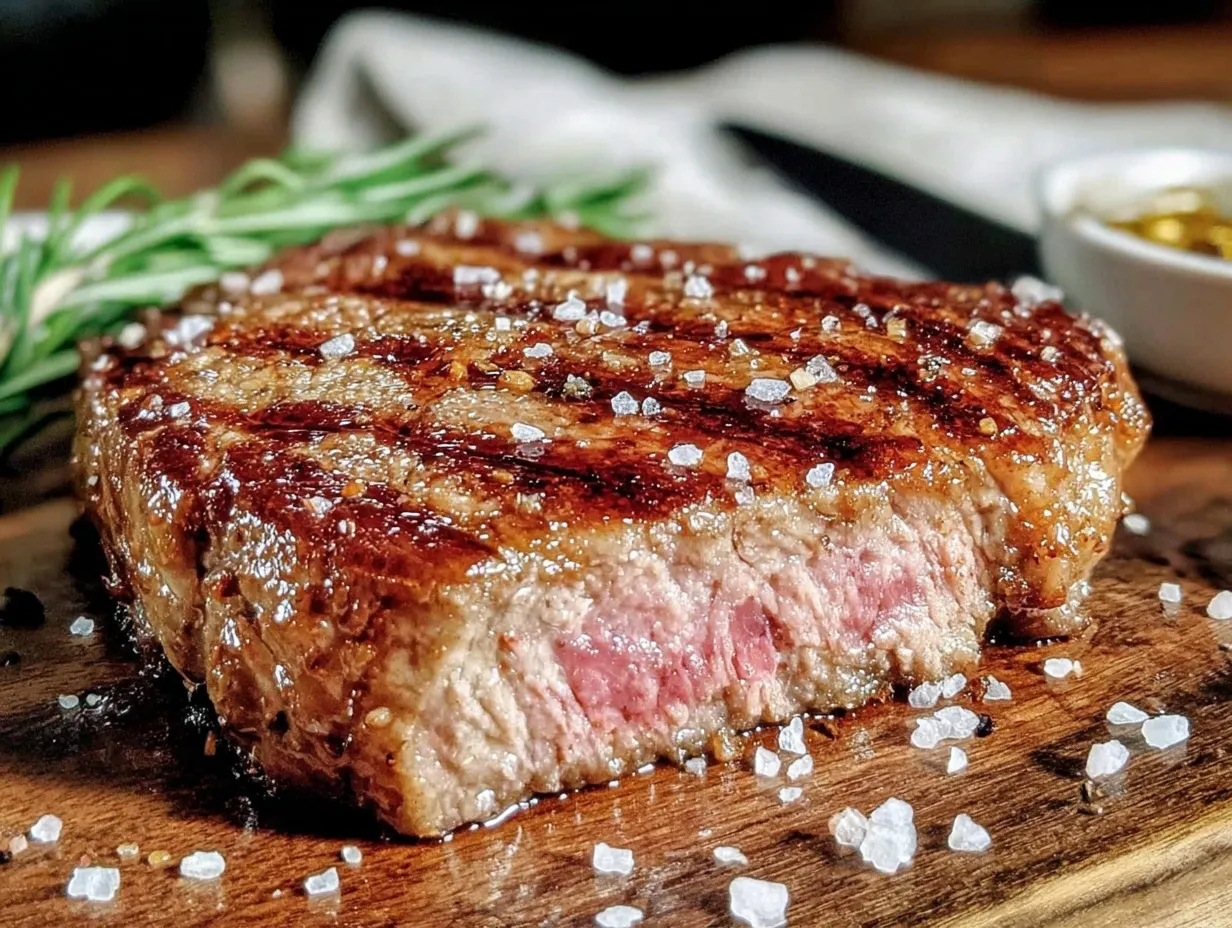
- Bring the Steak to Room Temperature (30-45 minutes)
Take your steak out of the fridge and let it sit on the counter, uncovered, for about 30-45 minutes. This step helps the meat cook more evenly, avoiding a cold center and overcooked edges. I usually set a timer because I forget and get distracted by emails. - Preheat Your Oven to 250°F (120°C)
While the steak is resting, preheat the oven to a low temperature to gently cook the steak inside before searing. - Season Generously
Pat the steak dry with paper towels. Sprinkle kosher salt evenly on all sides, including edges. Don’t skimp—this is key to flavor and crust. Add freshly ground black pepper if you like, or wait until after searing for a different texture. - Set Up Your Baking Sheet and Wire Rack
Place a wire rack on a rimmed baking sheet and lay the steak on it. The rack ensures air circulates, helping the steak cook evenly on all sides. - Oven Cook the Steak (20-40 minutes)
Place the steak in the oven and cook until it reaches an internal temperature about 10-15°F (5-8°C) below your target final temperature. For medium-rare, aim for 115-120°F (46-49°C). Use an instant-read thermometer to check. This step can take 20-40 minutes depending on thickness. - Rest the Steak Briefly (5-10 minutes)
Remove the steak from the oven and let it rest while you prepare your skillet. Resting allows juices to redistribute. - Heat Your Cast Iron Skillet Over High Heat
Add a tablespoon of neutral oil and heat until just beginning to smoke. This will give you that perfect crust. - Sear the Steak (1-2 minutes per side)
Place the steak in the pan and sear each side until a deep golden-brown crust forms. Add butter and fresh herbs during the last 30 seconds to baste the steak, spooning the melted butter over the top. - Check Final Temperature
Use your thermometer to verify doneness: 130°F (54°C) for medium-rare, 140°F (60°C) for medium. Remove earlier if you prefer rarer. - Final Rest (5 minutes)
Transfer to a plate and let rest again so the juices settle. Slice against the grain and serve.
Pro Tip: If you want a peppery crust, add freshly cracked pepper just before searing. Also, don’t overcrowd the pan—sear one steak at a time for best results.
Cooking Tips & Techniques
Getting the perfect reverse sear steak is mostly about patience and attention to heat. Here are some tips I picked up the hard way:
- Use a Meat Thermometer: This is your best friend. Guessing steak doneness can lead to overcooked or undercooked meat. I’ve ruined more steaks before I invested in a good instant-read thermometer.
- Don’t Skip the Resting: Both before and after cooking, resting is crucial. It keeps juices locked in and gives you a tender bite.
- Preheat Your Pan Properly: The sear needs high heat; a lukewarm pan will steam the steak instead of crisping it.
- Pat the Steak Dry: Moisture is enemy number one when trying to get a crust. Dab with paper towels before seasoning.
- Use High Smoke Point Oil: Oils like canola or avocado stand high heat better, preventing burning during sear.
- Multitask Smartly: While the steak is in the oven, prep sides or set the table. This way, you’re not rushing the sear phase.
One time, I tried to sear a steak straight from the fridge—huge mistake. The outside burned before the inside warmed up. Lesson learned: let it come to room temp. Also, if your crust isn’t browning well, check that your pan is truly hot before adding the steak.
Variations & Adaptations
This reverse sear method is versatile and can be adjusted for different tastes or dietary needs. Here are a few ideas I’ve tried or recommend:
- Garlic Butter Finish: Add minced garlic to the butter when basting during sear for a rich, aromatic flavor.
- Herb-Crusted Steak: Press finely chopped rosemary and thyme onto the steak before oven roasting for an herbal punch.
- Spicy Kick: Sprinkle smoked paprika and cayenne pepper with the salt for a smoky, spicy crust.
- Grilled Reverse Sear: Instead of finishing in a pan, finish the steak on a hot grill for a smoky char.
- Allergen-Friendly: Skip butter and use coconut oil if you’re dairy-free.
Personally, I once swapped out the traditional ribeye for a thick New York strip and finished it on the grill outside. It was a hit at a summer barbecue and added a nice smoky layer without losing the tender inside.
Serving & Storage Suggestions
Serve your perfect reverse sear steak warm, right after the final rest for the juiciest experience. Slice against the grain to maximize tenderness. I like to pair it with simple sides like garlic mashed potatoes, a crisp salad, or roasted veggies to balance richness.
If you have leftovers, wrap the steak tightly in foil or plastic wrap and store in the fridge for up to 3 days. For longer storage, slice and freeze in airtight containers.
To reheat, gently warm slices in a skillet over low heat or in a low oven (around 250°F / 120°C) to avoid overcooking. Adding a splash of beef broth can help keep the meat moist.
Interestingly, the flavors often deepen after a day in the fridge, making cold steak sandwiches or salads a delicious option as well.
Nutritional Information & Benefits
A 6-ounce (170 g) serving of ribeye steak prepared with this method contains approximately:
| Calories | 450-500 kcal |
|---|---|
| Protein | 40-45 g |
| Fat | 35-40 g (mostly saturated and monounsaturated) |
| Carbohydrates | 0 g |
This steak is a rich source of high-quality protein and essential nutrients like iron, zinc, and vitamin B12, which are important for energy and immune function. While it’s higher in fat, most of it comes from marbling that contributes to flavor and tenderness.
If you’re watching carbs or following a low-carb or ketogenic diet, this recipe fits perfectly. For those with allergies, be mindful if you add butter or herbs, and modify accordingly.
From a wellness perspective, enjoying a steak like this in moderation can be part of a balanced diet, especially when paired with plenty of veggies.
Conclusion
So, if you’ve been chasing that perfectly cooked steak with a juicy, tender inside and a crispy crust, the reverse sear method is your new best friend. It’s a straightforward way to impress yourself and your guests without complicated steps or fancy ingredients.
Feel free to tweak the seasonings or finishing touches to match your taste—this recipe is flexible and forgiving, just like a good kitchen companion should be.
Personally, I keep coming back to this recipe because it nails that perfect balance every time, and it makes even simple dinners feel special. Give it a try, and I’d love to hear how your steak turns out!
Don’t forget to share your variations or any questions in the comments below—I’m always here for a good steak chat!
FAQs
What cut of steak works best for reverse searing?
Thick cuts like ribeye, New York strip, or filet mignon around 1.5 to 2 inches thick are ideal because they cook evenly and hold up well during searing.
Can I reverse sear steak without a meat thermometer?
It’s possible but not recommended. A thermometer takes the guesswork out and helps avoid overcooking or undercooking. If you don’t have one, try to learn visual and timing cues, but investing in a thermometer is worth it.
How do I know when the steak is done after the oven phase?
Use an instant-read thermometer to check the internal temperature. For medium-rare, pull the steak at 115-120°F (46-49°C) before searing; it will continue to cook during the sear.
Can I use this method for thinner steaks?
Thinner steaks cook too quickly for reverse searing to work well. This method is best for thick steaks. For thin cuts, traditional searing is usually better.
What’s the best way to get a crust without burning the steak?
Make sure your pan is very hot and use an oil with a high smoke point. Pat the steak dry before searing, and don’t move it around too much to let the crust form properly.
Pin This Recipe!
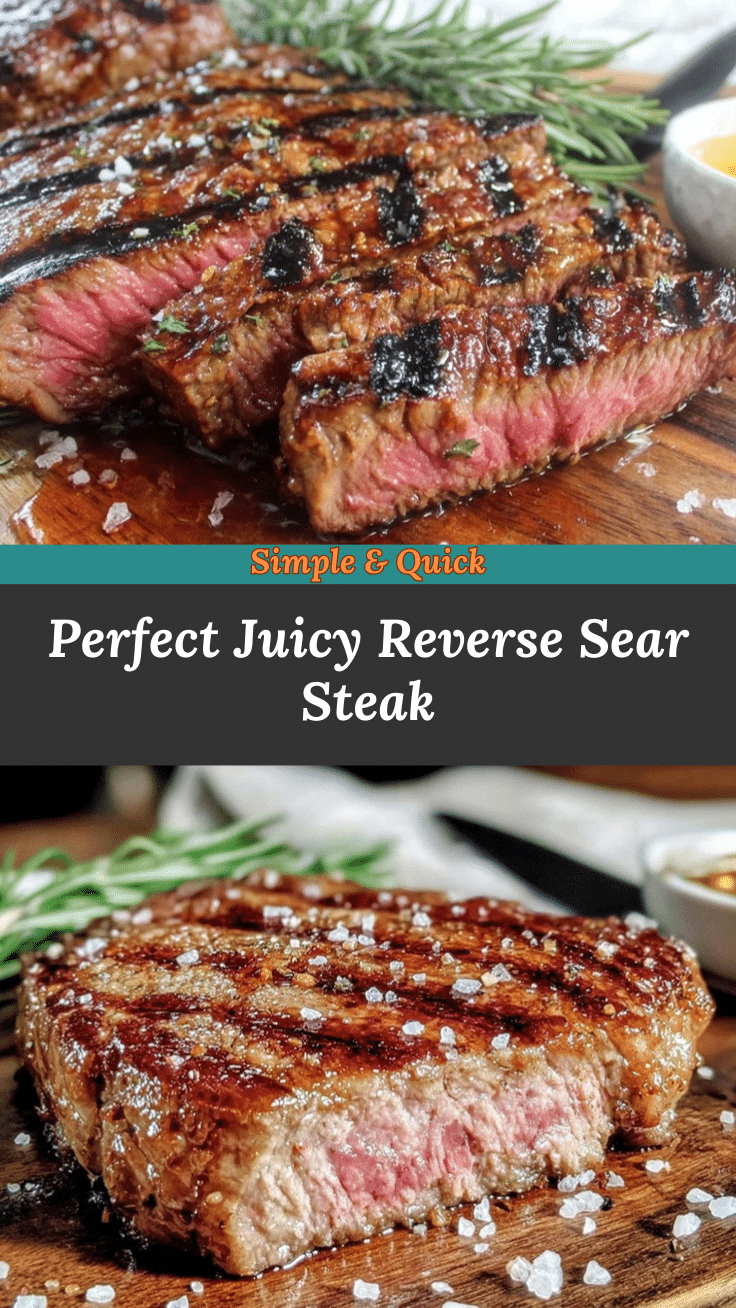

Perfect Reverse Sear Steak Recipe for Juicy Tender Results Every Time
- Total Time: 1 hour 25 minutes
- Yield: 1 steak (serves 1-2) 1x
Description
This reverse sear steak recipe delivers a juicy, tender interior with a perfectly crusted exterior by slow-cooking the steak in the oven and finishing with a high-heat sear.
Ingredients
- 1 thick-cut ribeye, strip, or filet mignon steak (1.5 to 2 inches thick; about 12–16 oz / 340–450 g)
- Kosher salt or sea salt, for seasoning
- Freshly ground black pepper
- 1 tablespoon neutral oil (canola, grapeseed, or avocado oil)
- Optional: 1-2 tablespoons unsalted butter (for basting during sear)
- Optional: A sprig of thyme or rosemary (for aroma during sear)
Instructions
- Bring the steak to room temperature by letting it sit uncovered on the counter for 30-45 minutes.
- Preheat your oven to 250°F (120°C).
- Pat the steak dry with paper towels. Season generously with kosher salt on all sides and edges. Add freshly ground black pepper if desired.
- Place a wire rack on a rimmed baking sheet and lay the steak on the rack to allow air circulation.
- Cook the steak in the oven for 20-40 minutes until it reaches an internal temperature 10-15°F (5-8°C) below your target final temperature (115-120°F for medium-rare).
- Remove the steak from the oven and let it rest for 5-10 minutes.
- Heat a cast iron skillet over high heat and add 1 tablespoon of neutral oil. Heat until just beginning to smoke.
- Sear the steak for 1-2 minutes per side until a deep golden-brown crust forms. During the last 30 seconds, add butter and fresh herbs to baste the steak.
- Check the final internal temperature with a thermometer: 130°F for medium-rare, 140°F for medium. Remove earlier if preferred rarer.
- Transfer the steak to a plate and let it rest for 5 minutes before slicing against the grain and serving.
Notes
Use a meat thermometer for best results to avoid overcooking. Let steak come to room temperature before cooking. Pat dry to ensure a good crust. Use high smoke point oil for searing. Rest steak before and after cooking to keep juices locked in. Optional butter and herbs add richness and aroma during sear. For dairy-free, substitute butter with ghee or coconut oil.
- Prep Time: 45 minutes
- Cook Time: 40 minutes
- Category: Main Course
- Cuisine: American
Nutrition
- Serving Size: 6 oz (170 g) cooked
- Calories: 475
- Fat: 37.5
- Saturated Fat: 15
- Protein: 42.5
Keywords: reverse sear steak, steak recipe, juicy steak, tender steak, cast iron steak, ribeye steak, medium rare steak, steak crust