
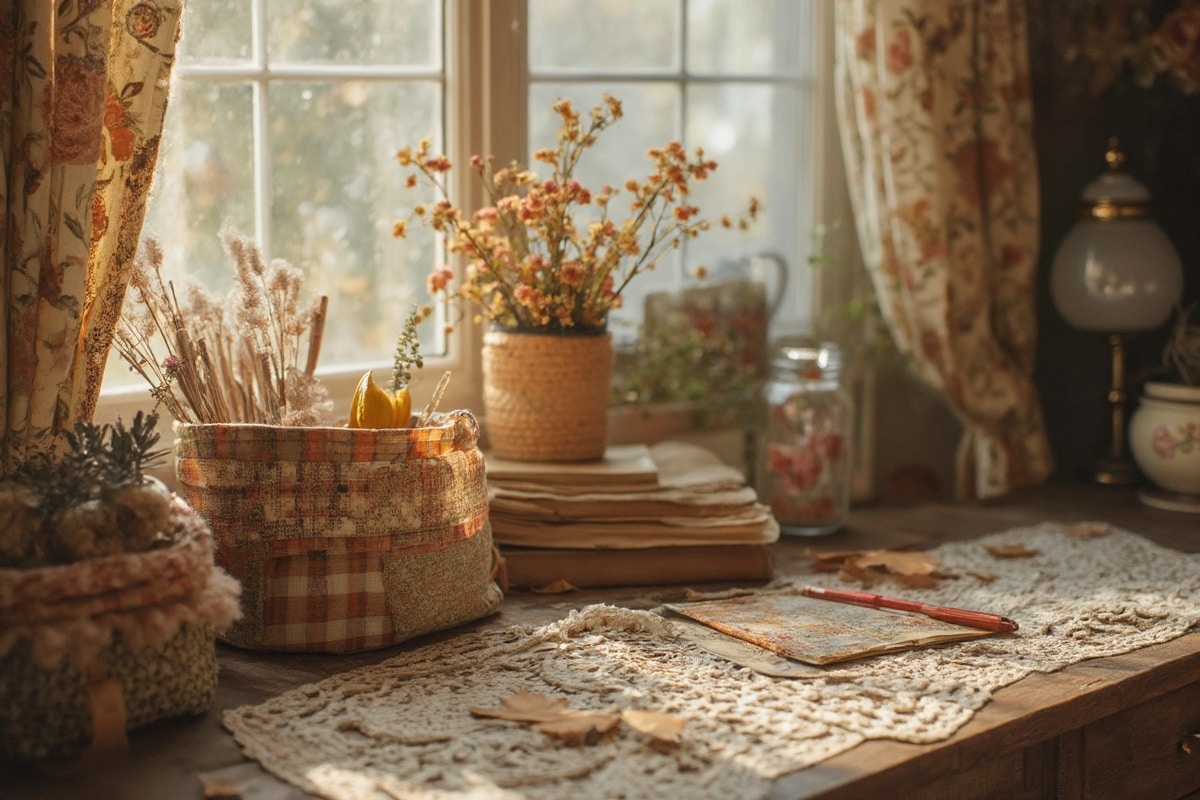
Every autumn, as the leaves start to turn and the air fills with the scent of cinnamon and woodsmoke, I find myself craving a workspace that feels just as warm and inviting as a cottage kitchen. Last year, overwhelmed by endless paper piles and stray pens, I decided it was time for a change. I made my own cottagecore desk organizer—a patchwork caddy that brought a little autumn storybook magic into my home office. The transformation was almost instant: not only did my desk look tidier, but the cozy decor vibe made working through gray afternoons so much sweeter. Did you know that over 60% of remote workers say a beautiful, organized workspace actually boosts their mood and creativity? That stat really rings true for me. Today, I want to share how you can bring the cottagecore decor trend to your workspace with seven stunning DIY caddy ideas, each perfect for autumn and full of personality. Whether you love soft florals, rustic textures, or homespun charm, there’s something here to help you build a desk organizer that’s as functional as it is heartwarming.
What is Cottagecore Decor? Style Overview & Cozy Inspiration
Cottagecore decor is all about capturing the charm and tranquility of rural life—think patchwork quilts, wildflowers in mason jars, and the gentle clutter of a lived-in country home. This style draws its roots from English and French countryside aesthetics, celebrating handmade details, natural materials, and a slower, more mindful way of living. Imagine a desk surrounded by soft linen curtains, vintage teacups repurposed as pen holders, and little touches like hand-stitched doilies or pressed flower frames.
The mood is gentle and nostalgic, inviting you to slow down and savor the beauty in small things. Cottagecore’s popularity has soared thanks to platforms like Instagram and TikTok, where creators show off dreamy, mossy corners and DIY projects. Some influencers, like Taylor Swift in her “Folklore” era, have brought the look into the spotlight, with cozy reading nooks and antique desk setups. Even celebrities like Zooey Deschanel and Drew Barrymore have shared their cottage-inspired spaces, filled with warm woods and floral fabrics.
Right now, autumn is the perfect season for this trend, as people crave comfort and a return to tactile, homemade projects. Patchwork, dried botanicals, and soft, faded colors are everywhere in decor magazines. It’s about making things by hand, embracing imperfections, and creating a desk space that feels like a hug on a chilly day. If you’re longing for a workspace that feels less like an office and more like a cozy retreat, cottagecore desk organizer ideas are the perfect place to start.
How Do You Plan Your Cottagecore Desk Organizer? Creating Your Vision
Before you jump into making your own cottagecore desk organizer, take a moment to really look at your workspace. Grab a notepad and jot down what works and what feels cluttered. Measure the space where you want your caddy to go—most desks have about 14–18 inches of clear space at the back or along the side, perfect for a medium-sized organizer. Think about what you actually need to store: pens, scissors, sticky notes, washi tape, maybe even a spot for your favorite tea bags.
Defining your design goals is key. Are you hoping for a patchwork fabric caddy, a wooden crate with floral decoupage, or something more eclectic with baskets and jars? Pinterest is great for collecting inspiration—try making a mood board with images of desks, colors, and materials that speak to you. For autumn, I love to include swatches of fabric in warm earth tones (think #cbbfa2, #a67c52, and #f7e9d4), plus pressed leaves and snippets of vintage floral prints.
When making decisions, keep function in mind. A caddy with lots of little pockets is great for artists, while a simpler wooden tray might suit writers or students. Consider using a three-column checklist: “Must Have,” “Would Like,” and “Not Necessary.” This helps you focus on what matters and skip the extras that can lead to clutter.
From my own projects, I’ve learned not to rush the planning phase. Once, I made a caddy that looked adorable but had too many tiny pockets—half of them went unused. Sketch out your design first, labeling pockets or compartments and listing the dimensions. If you’re unsure about fabrics or paint colors, lay them out together in daylight to see how they work. Don’t be afraid to mix textures: linen, cotton, wicker, and wood all work beautifully together in cottagecore decor. Most importantly, remember that your organizer doesn’t have to be perfect—it just needs to make you smile every time you sit down to work.
What Materials Do You Need for a Cottagecore Desk Organizer? Shopping & Prep Guide
Here’s a handy list of essentials for your DIY cottagecore desk organizer project. Pick and mix based on your favorite style:
- Assorted cotton and linen fabric scraps (floral, gingham, or solid earth tones)
- Sturdy cardboard or thin plywood sheets (at least 12″x16″ for a medium caddy)
- Wooden crates or berry baskets (easy to paint or decorate)
- Glass jars or vintage teacups (for pen holders)
- Hot glue gun, fabric glue, or wood glue
- Sewing kit (needle, thread, fabric scissors)
- Chalk paint (try shades like #e7d7c1, #f9e7cf, or #b1a296)
- Decorative buttons, lace trim, or dried flowers
If you’re on a budget, thrift stores are goldmines for baskets, jars, and vintage fabrics. Look for sales at craft chains in late summer—autumn colors often go on clearance. For expensive items like wooden crates, try DIY alternatives: sturdy recycled cardboard boxes can be covered in fabric or painted. Scraps from old shirts, pillowcases, or curtains make great patchwork material. I’ve found some of my favorite cottagecore decor bits at local yard sales and by swapping with crafty friends.
How Do You Make a Patchwork Cottagecore Desk Organizer? Step-by-Step Guide

- Gather Supplies and Prep Work (1 hour):
Lay out all your materials on a clean surface. Iron fabric scraps for smooth assembly. If using cardboard, cut it into panels: two sides (12″x6″), one base (12″x8″), and two ends (6″x8″). For a wooden crate, sand rough edges and wipe clean. - Design Your Patchwork Layout (30 minutes):
Arrange fabric pieces on the panels, playing with color and pattern until you love the look. Snap a quick photo for reference. Try to balance prints and solids so it doesn’t get too busy. - Create Patchwork Panels (1–2 hours):
Either sew or glue fabric pieces onto each panel, overlapping edges slightly for a rustic effect. If sewing, use a simple running stitch; if gluing, work in small sections to avoid wrinkles. Let everything dry or press with a warm iron. - Assemble the Caddy Structure (30 minutes):
Glue or stitch panels together to form a box, with the patchwork facing out. Reinforce corners with extra fabric or ribbon for strength. For wooden crates, attach your decorated panels to the outside or line the inside with fabric. - Add Pockets and Dividers (30–45 minutes):
Cut and attach smaller fabric pockets or cardboard dividers inside the box. Use hot glue or hand-stitch for durability. Pockets are perfect for pens, scissors, or notepads. - Decorate with Finishing Touches (15–30 minutes):
Sew on buttons, glue lace along the edges, or add dried flower sprigs for that cottagecore touch. Personalize with a little name tag or a pressed leaf. - Organize Your Desk (15–20 minutes):
Fill your new caddy with supplies, grouping by type. Put it in your chosen desk spot and step back to admire your handiwork.
Troubleshooting tip: If your caddy feels wobbly, reinforce the bottom with an extra cardboard layer. For fabric that won’t stay in place, fabric glue plus a few stitches makes a big difference. If you discover mid-project that you need more pockets, don’t panic—just cut a piece of fabric and hand-stitch or glue it on. I’ve learned that sometimes the best features come from last-minute fixes!
What Are the Best Styling Tips & Design Techniques for Cottagecore Caddies?

Professional designers know that the key to a beautiful cottagecore organizer is balance. Don’t overload your caddy with too many patterns; pick two or three main fabrics and repeat them. Layering is your friend: stack a lacy doily under your organizer, tuck a tiny velvet pouch inside for small items, or drape a bit of ribbon over the handle.
Watch out for overstuffing, which can make even the prettiest caddy look chaotic. Keep only what you use daily on display, and rotate seasonal items like autumn leaves or pinecones as accents. One mistake I made early on was ignoring scale—a giant organizer on a tiny desk looks awkward. Measure your space carefully, and make sure your caddy’s height (usually 6–8 inches) suits your needs.
Magazine-worthy looks often come from imperfect touches: a mismatched button, a slightly wonky stitch, or a hand-painted label. Don’t stress about perfection—cottagecore decor is about honest, homey beauty. I once added a patch to cover a glue smudge, and it became my favorite part of the organizer. For a truly pulled-together look, echo your caddy’s colors in nearby items like your mug or mousepad. Group items in odd numbers for a natural, collected feel.
How Do You Pair Colors & Textures for an Autumn Cottagecore Organizer?

Color is everything in cottagecore decor. For autumn, reach for muted earth tones: dusty rose (#cfa5a0), sage green (#bcc5b3), ochre (#d1b05f), and creamy off-whites (#f7e9d4). These colors feel warm and nostalgic, especially when paired with tiny floral prints, gingham, or faded stripes.
Mix textures for depth—combine nubby linen, soft cotton, and a touch of velvet or corduroy. Layer a crocheted doily or lace trim for extra coziness. In the cooler months, add wool felt or even a touch of burlap for rustic charm. For accent colors, try a splash of rich cranberry or moss green. Place accents at the pocket edges or as small bows so they don’t overwhelm the design.
My favorite combo? Pale sage, cream, and a pop of pumpkin orange. It feels classic autumn without being too bold. If you want a softer palette, stick to two neutrals and one pastel. Test your fabrics in natural light before assembling—some colors look very different in the gray glow of autumn afternoons.
What Are the Most Common Design Mistakes to Avoid?
One of the biggest mistakes I see in cottagecore desk organizers is making them too big or too small for the desk. Always measure first and sketch your layout on paper. Another pitfall is ignoring lighting—if your workspace is dim, skip dark colors and choose lighter fabrics that reflect what light you have.
Too many patterns can be overwhelming. Limit yourself to two prints and one solid for a harmonious look. Watch out for wobbly or weak structures—reinforce corners and bases, especially if you plan to fill your caddy with heavy supplies.
I once placed my organizer right in front of a lamp, which cast odd shadows and made it hard to find things. Place your caddy where it’s easy to reach but doesn’t block light or your line of sight. If you find your caddy isn’t getting used, rethink what pockets you actually need. Sometimes, simple is better.
How Can You Make a Cottagecore Desk Organizer on a Budget?
DIY is at the heart of cottagecore decor, and you don’t have to spend a fortune. Old shirt sleeves, pillowcases, and reclaimed wood make wonderful organizer materials. Thrift stores are perfect for baskets, glass jars, and fabric remnants.
Try upcycling: turn a shoebox into a caddy by covering it with patchwork fabric, or use tin cans as pen holders. Save on splurges by focusing your budget on one beautiful fabric or paint, then fill in with thrifted or DIY items. I once made a whole desk set for under $10 by raiding my scrap basket and swapping extras with friends.
Remember, the most charming cottagecore pieces are often the ones with a story and a little character. Imperfection is part of the magic.
Conclusion: Why Start Your Cottagecore Decor Journey This Autumn?
Creating a cottagecore desk organizer is more than a craft—it’s a way to bring warmth, beauty, and a sense of calm to your daily routine. With each patchwork panel and handmade pocket, you’ll turn your workspace into a cozy haven that inspires creativity even on the rainiest autumn days.
You don’t have to overhaul your whole office to feel the difference—start small with a single organizer or a few autumn accents. I’ve learned firsthand how these tiny changes can transform not just your desk, but your mindset, too. The power of good design is real, and it’s within reach, no matter your budget or skill level.
So gather your favorite fabrics, light a candle, and begin your cottagecore decor journey today. Your cozy autumn workspace awaits, and I can’t wait to see what you create.
FAQs: Cottagecore Desk Organizer Ideas
What kinds of fabric work best for a cottagecore desk organizer?
Soft cottons, linens, and flannel in floral, gingham, or muted solids are ideal. Look for material with a bit of texture but not too thick, so it’s easy to sew or glue. Repurposed vintage fabrics add extra charm.
How can I keep my DIY caddy looking tidy throughout the season?
Only keep daily-use items in the organizer and rotate out seasonal decor. Wipe it down weekly, and don’t overfill pockets. Swap out autumn leaves or acorns as they fade to keep things fresh.
Can I make a cottagecore organizer without sewing?
Absolutely! Fabric glue, hot glue, or even double-sided tape can work for patchwork panels and pockets. Just allow extra drying time, and reinforce seams with a few stitches if needed.
What’s the best way to personalize my organizer for autumn?
Add dried flowers, felted acorns, or tiny hand-painted wood slices as accents. Try labels stamped with autumn quotes, or tuck in a mini pumpkin or cinnamon stick for scent and color.
How do I choose the right size and shape for my desk caddy?
Measure your available desk space and list the items you need to store. Sketch a rough layout before starting your project. For most desks, a caddy 12–14 inches wide and 6–8 inches deep works well.