
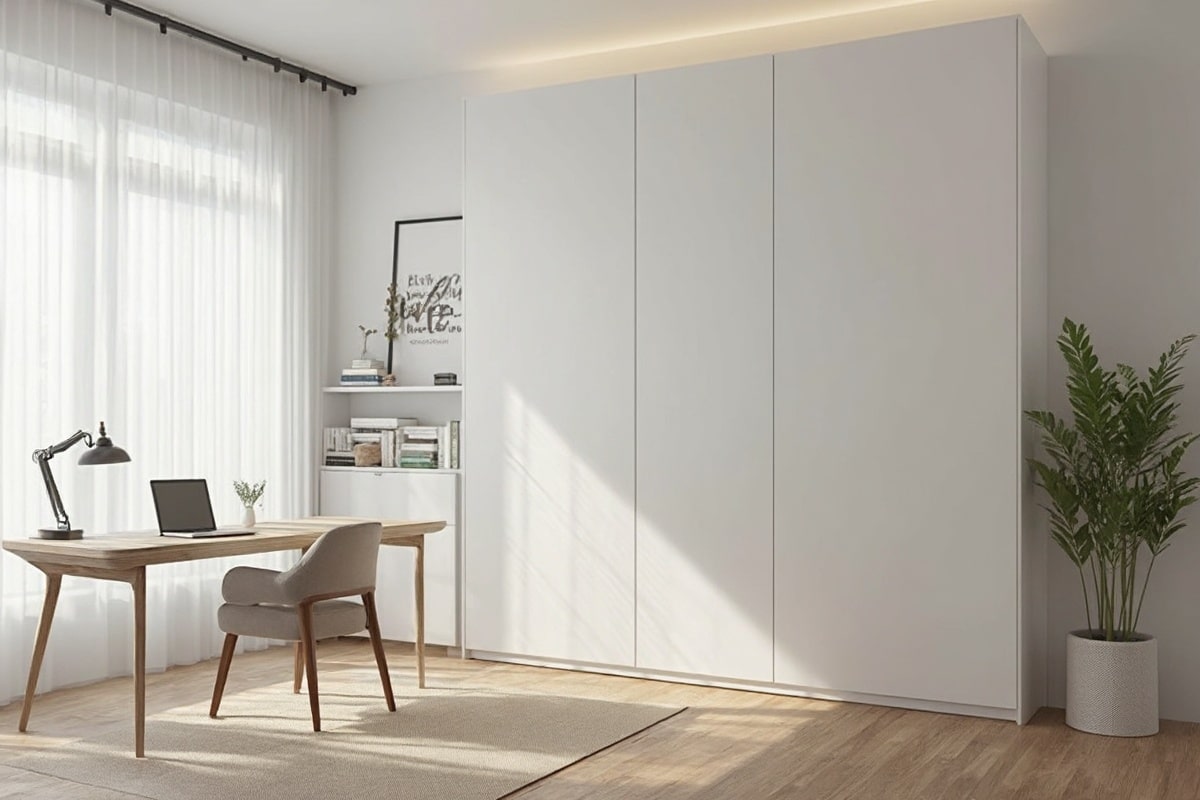
When I first decided to convert my spare room into a multifunctional home office, I never imagined how much a modern minimalist Murphy bed could transform the space. The design not only made the room incredibly functional but also brought a sleek, uncluttered vibe that I absolutely love. A Murphy bed offers the perfect solution for combining work and rest in one area, especially if you’re short on space or love the idea of dual-purpose rooms. Did you know that creating a multifunctional space can increase productivity by 20%? Let me take you through how you can achieve this stylish setup!
What Makes Modern Minimalist Design So Inviting?
Modern minimalist design is all about simplicity, clean lines, and purposeful functionality. It’s a style that eliminates excess while focusing on quality and comfort. In a home office, this approach creates a calm and productive atmosphere that feels inspiring rather than overwhelming. Minimalist spaces often include neutral color palettes, sleek furniture, and strategic lighting that enhances focus.
The Murphy bed is a perfect example of modern minimalist ingenuity. When folded up, it blends seamlessly into the room, often doubling as shelving or wall art. When pulled down, it transforms into a cozy bed that doesn’t sacrifice style. This design trend has become increasingly popular, with celebrity homes and high-end apartments showcasing Murphy beds in multifunctional spaces.
From Scandinavian influences to mid-century modern touches, minimalist design can be tailored to your preferences. Pairing it with a Murphy bed adds practicality and elegance, making it ideal for home offices needing a guest room feature. In today’s world of hybrid work environments, this combination is a game-changer.
Planning Your Multifunctional Home Office Design

Assessing Your Space
Start by evaluating your room’s layout and size. Measure every wall and corner to determine where key furniture pieces will go. Use painter’s tape to mark out areas for your desk, seating, and Murphy bed. Keep in mind that Murphy beds require wall clearance and enough floor space when extended.
Setting Your Design Goals
Decide how you want the room to function. Will it primarily be a workspace with occasional guest use, or do you need a true 50/50 split? Write down your must-haves, like ample desk space, storage, and a comfortable bed. Consider your personal style preferences. Do you lean toward minimalist Scandinavian or a warmer modern vibe?
Creating a Mood Board
Gather images, fabric swatches, and color samples to visualize your design. Pinterest is a great resource for finding Murphy bed ideas and minimalist home office inspiration. Include photos of desks, chairs, shelving, and decor that align with your vision.
Making Decisions
Once you have your mood board, start deciding on furniture placement, color schemes, and decor. For a minimalist style, aim for a cohesive palette—whites, grays, and natural woods work perfectly. Prioritize functional pieces like a foldaway Murphy bed, adjustable desk, and sleek storage solutions.
Materials & Shopping Guide
To achieve this setup, here’s what you’ll need:
- A modern Murphy bed (look for options that include shelving or cabinetry)
- A minimalist desk (consider a wall-mounted version for extra floor space)
- An ergonomic office chair with clean lines
- Built-in or freestanding shelving
- Neutral area rug to define the workspace
- Task lighting like an adjustable desk lamp
- Decor accents—think simple frames, plants, and storage bins
For budget-friendly options, check out secondhand stores, online marketplaces, and seasonal sales. IKEA and Wayfair often have affordable minimalist furniture, while specialty Murphy bed retailers like WallBedKing offer customizable options. Don’t forget DIY alternatives, like building your own shelving or refurbishing vintage furniture.
Step-by-Step Decorating Process

- Clear Out the Space: Start by removing all non-essential items. Deep clean the room to create a blank canvas.
- Install the Murphy Bed: Follow the manufacturer’s instructions to securely mount your Murphy bed. Ensure it’s level and aligned with the surrounding decor.
- Place the Desk: Position your minimalist desk near natural light if possible. Arrange your chair and test the setup for comfort.
- Add Storage Solutions: Install shelving or place freestanding units. Use bins and baskets to organize supplies and keep clutter hidden.
- Define the Workspace: Lay down an area rug to visually separate your work zone. Choose a neutral or patterned rug that complements your palette.
- Decorate Thoughtfully: Add small decor elements like plants, framed prints, or a wall-mounted organizer. Keep it simple to maintain the minimalist aesthetic.
- Adjust Lighting: Set up your task lamp and overhead lighting. Use warm bulbs to create a cozy yet focused atmosphere.
- Test and Tweak: Spend a day working in the space, then make adjustments to improve comfort and functionality.
Styling Tips & Design Techniques
Professional designers swear by layering textures and balancing proportions to make minimalist spaces shine. In your home office, pair smooth surfaces like a lacquered desk with soft elements like a woven rug or linen bedding. Keep decor scaled appropriately—a large piece of art can be a focal point, while smaller items should complement without overwhelming.
Avoid overcrowding shelves or walls. Stick to a “less is more” philosophy. Use symmetry to bring balance to the room—matching lamps or equal-sized storage bins can help. And don’t forget to incorporate greenery! A few small plants can soften the look and add life to the room.
One of my favorite tricks is using concealed storage. Hidden compartments in desks or beds make it easy to maintain a clutter-free space without sacrificing practicality. This technique is particularly helpful in small rooms.
Color & Texture Combinations

Modern minimalist designs often rely on neutral palettes, but that doesn’t mean boring. Try layering whites, creams, and soft grays with natural wood tones. Add warmth with taupe accents or a subtle pop of color like sage green or dusty blue.
For texture, mix smooth finishes like polished wood or metal with softer materials such as cotton or wool. A chunky knit throw on your Murphy bed or a textured area rug can add depth. Seasonal updates are easy with throw pillows or blankets—switching to warmer colors in winter or lighter tones for summer keeps the space fresh.
Personal favorites include pairing matte black hardware with oak furniture or combining linen curtains with a sleek glass desk. These combinations feel modern yet inviting.
Common Design Mistakes to Avoid
Avoid overcrowding the room with furniture or decor. Too many items can make the space feel cluttered rather than functional. Stick to a clear layout and prioritize essentials.
Lighting mistakes are another common issue. Dim lighting can make your workspace feel uninspiring, while overly bright bulbs can cause eye strain. Choose adjustable lighting options to adapt throughout the day.
Don’t forget to consider scale. Oversized furniture can overwhelm a small room, while tiny pieces can feel lost. Measure everything carefully before purchasing.
Finally, avoid neglecting storage. Multifunctional rooms require organized spaces to keep items hidden when not in use. Invest in baskets, bins, or furniture with built-in storage.
Budget-Friendly Alternatives
If a custom Murphy bed isn’t in your budget, consider DIY kits or refurbished models. Thrift stores are great for finding unique minimalist furniture pieces at a fraction of the cost.
Upcycling old furniture is another fantastic option. Repaint a desk in white or gray, or add new hardware to refresh its look. Use peel-and-stick wallpaper to create a faux wood finish on shelves or walls.
Splurge on essential items like an ergonomic office chair, but save on decor by shopping sales or crafting your own wall art. Personalizing affordable items can make your space feel custom without breaking the bank.
Conclusion
Creating a stunning multifunctional home office with a modern minimalist Murphy bed design is more achievable than you might think. With thoughtful planning, you can design a space that is both functional and beautiful, perfectly suited to your lifestyle and budget.
Start small, like incorporating a Murphy bed or decluttering your workspace. As you implement changes, you’ll see the transformation unfold. Good design has the power to inspire and improve your daily life, and this project is a perfect example of that.
So why wait? Begin your journey toward a sleek, practical, and stylish home office today. You’ll love the results and wonder why you didn’t start sooner!
FAQs
What is the best wall color for a minimalist home office?
Neutral colors like white, light gray, or beige work well for a minimalist look. These shades create a clean backdrop and enhance natural light.
How much space do I need for a Murphy bed?
Murphy beds typically need wall clearance of around 6-7 feet in width and enough floor space for the bed to fold down fully. Measure carefully before purchasing.
Can I use bold accents in a minimalist office?
Yes! Incorporating a single bold accent, like a bright-colored chair or a statement piece of art, can add personality without disrupting the minimalist aesthetic.
What are some affordable storage ideas for small spaces?
Look for under-desk organizers, wall-mounted shelves, and furniture with built-in storage compartments. Thrift stores and DIY projects can also offer creative solutions.
How can I make my home office feel cozy and inviting?
Layer textures like rugs, throws, and pillows. Add greenery with plants, and use warm lighting to create a comfortable atmosphere that still feels professional.